














Mulino dei Lotti, where water tells the story of an ancient craft
Since the Middle Ages, watermills have been a distinctive feature of the landscape around Firenzuola, thanks to the many rivers and streams in the area. They were essential places of work for local communities: wheat, corn and chestnuts were ground here, but the mill was also a place for meeting and socializing. People would arrive with their sacks of grain and, while waiting for their produce to be milled, would have the opportunity to meet, talk and share moments of everyday life.
In Sigliola, a hamlet of Cornacchiaia, it is still possible to discover this world at close quarters thanks to the Mulino dei Lotti. Although it is no longer in operation, the mill can still tell the story of how things were done in the past through its rooms, machinery and tools.
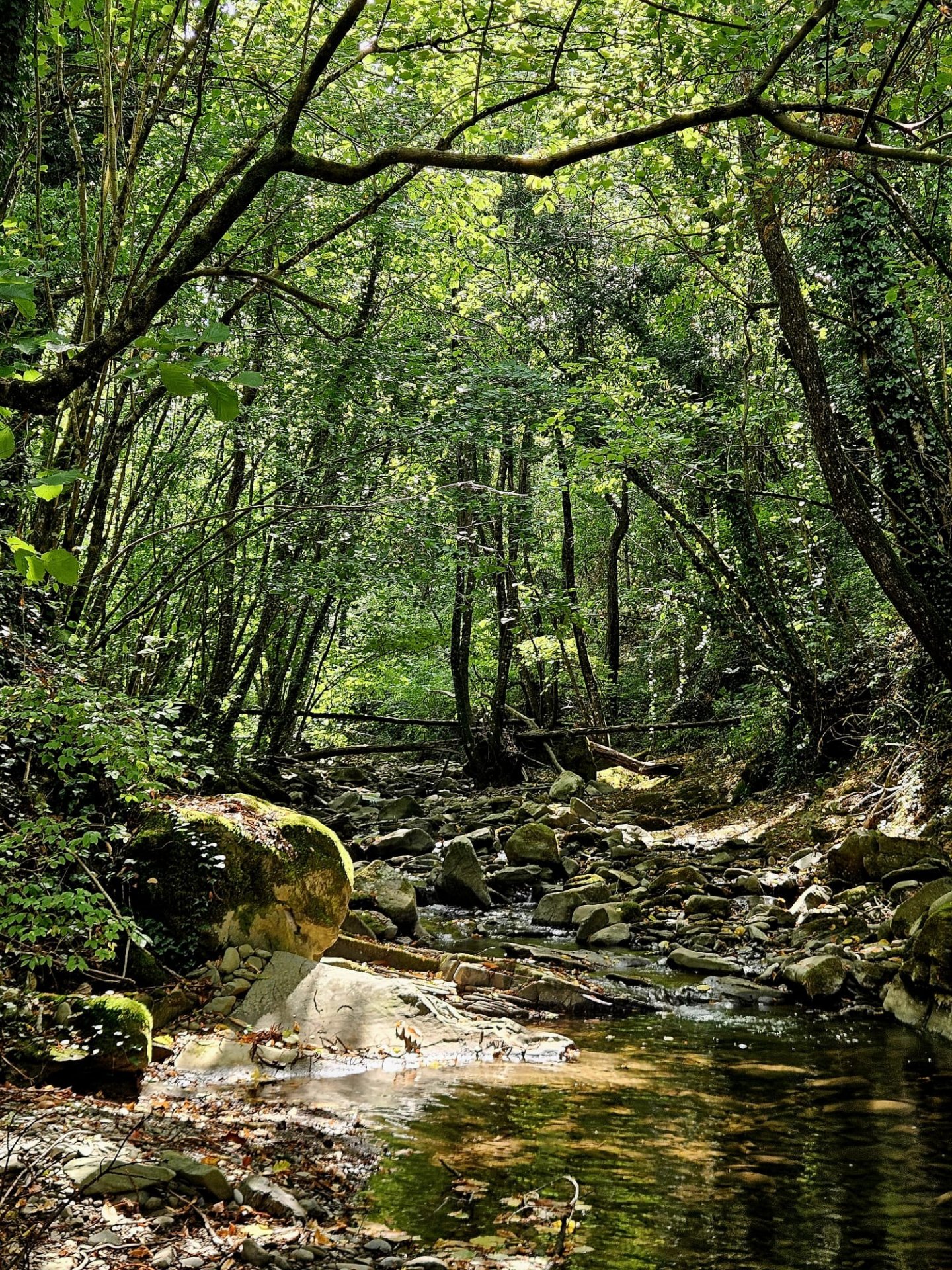
Its millstones were powered by water until around fifty years ago. The energy came from the Riateri, a tributary of the Santerno River, particularly important for its flow and also known for the crayfish living in its waters.
The history of the mill is closely linked to the family of its current owner, Elena Ricciardelli. In 1898, it was purchased by Giuseppe Niccolai, her great-grandfather. It subsequently passed to her paternal grandmother, Ida, and then to her father, Ottorino. The name “dei Lotti” may derive from Antonio Lotti, a miller mentioned in a mid-19th-century document from the Tuscan civil registry, who was probably the mill's operator at the time.
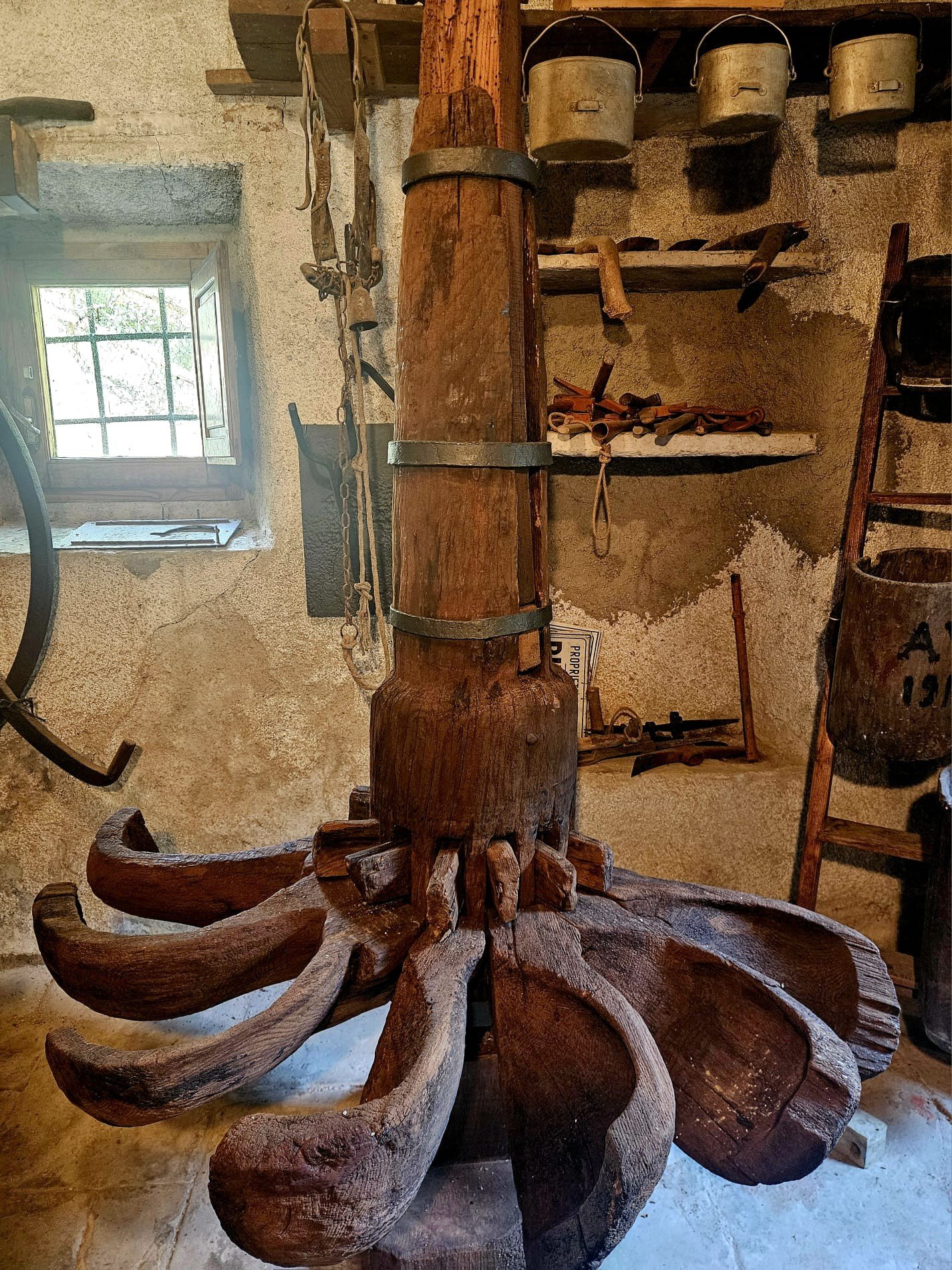
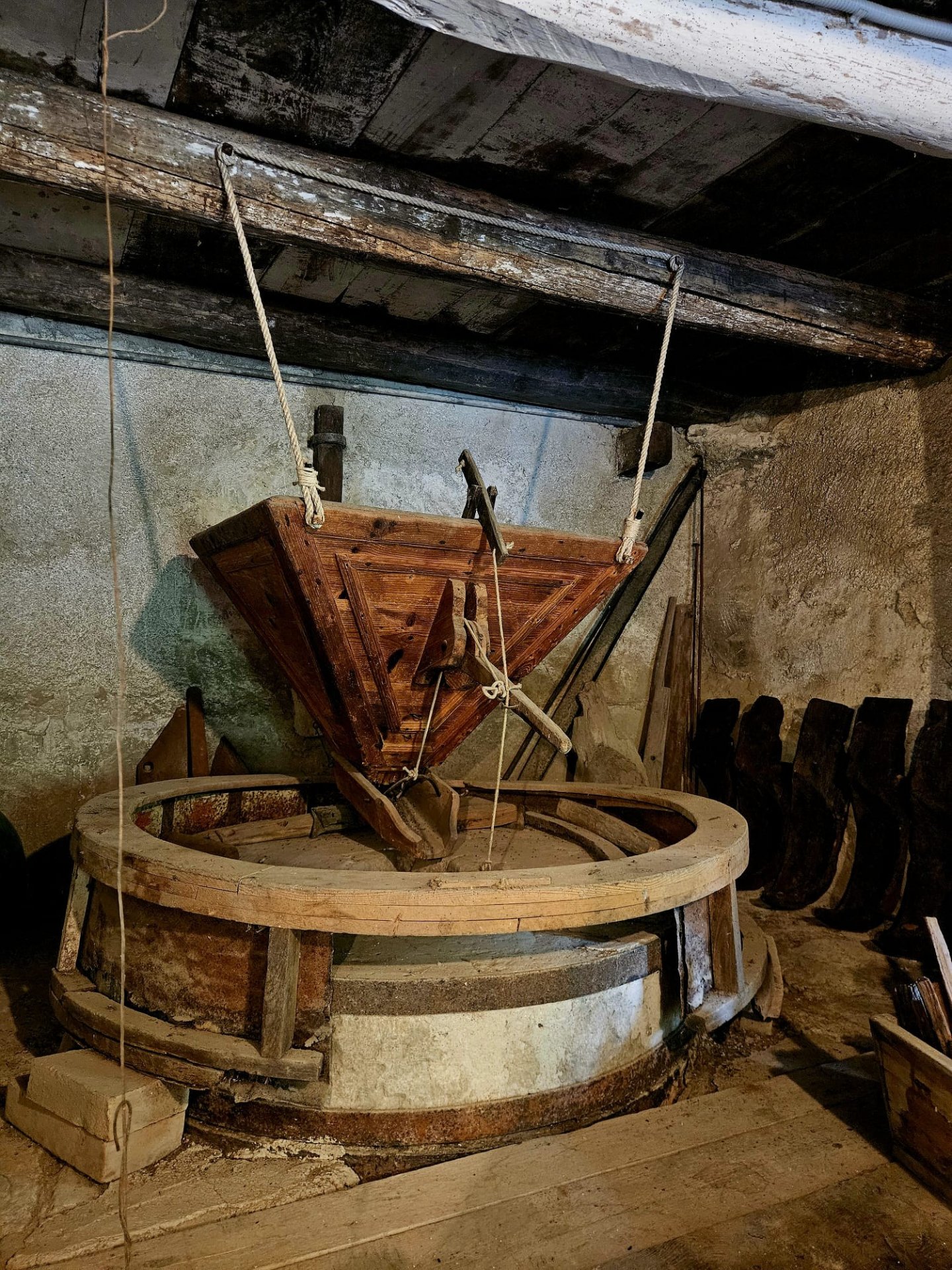
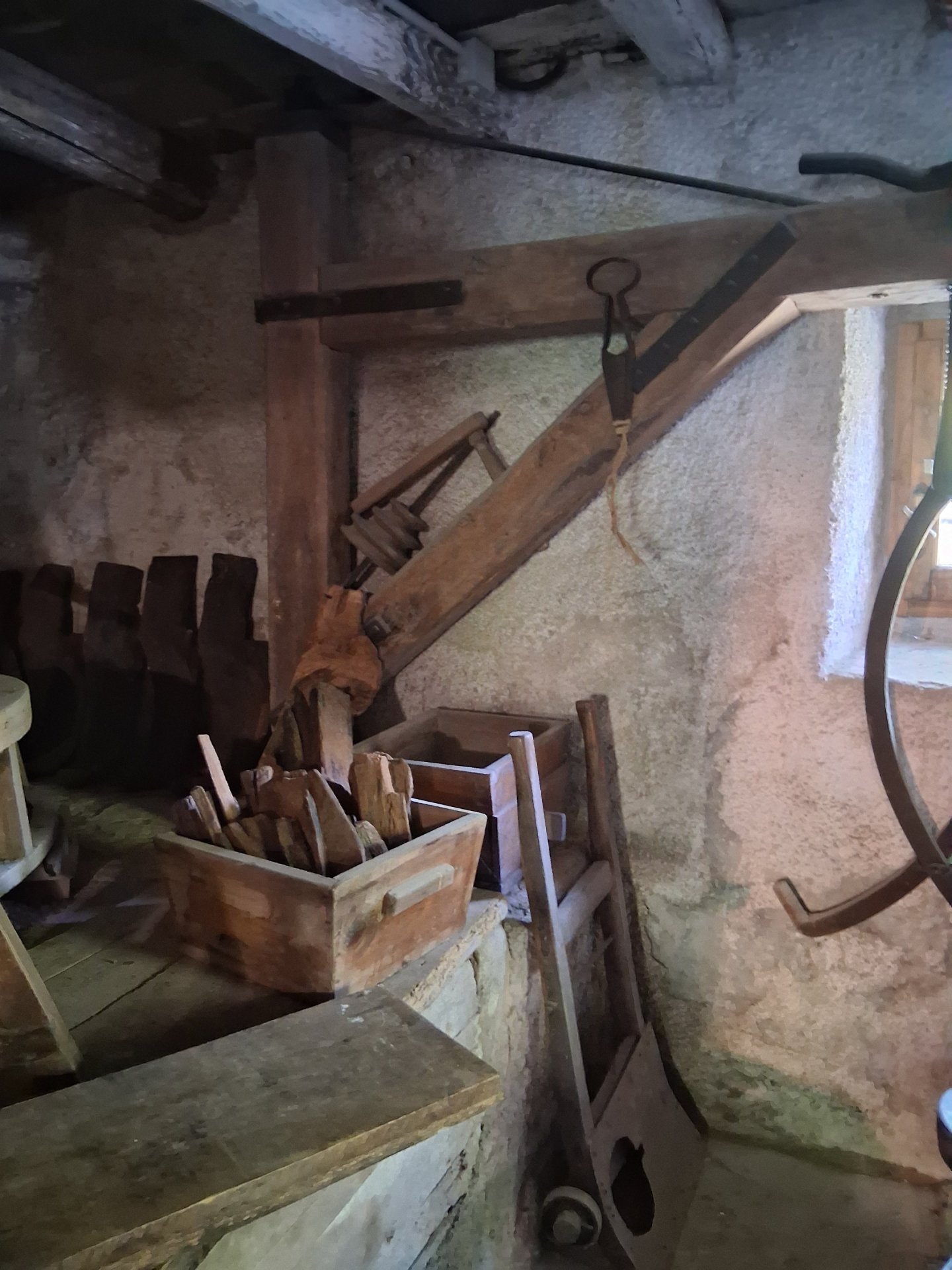
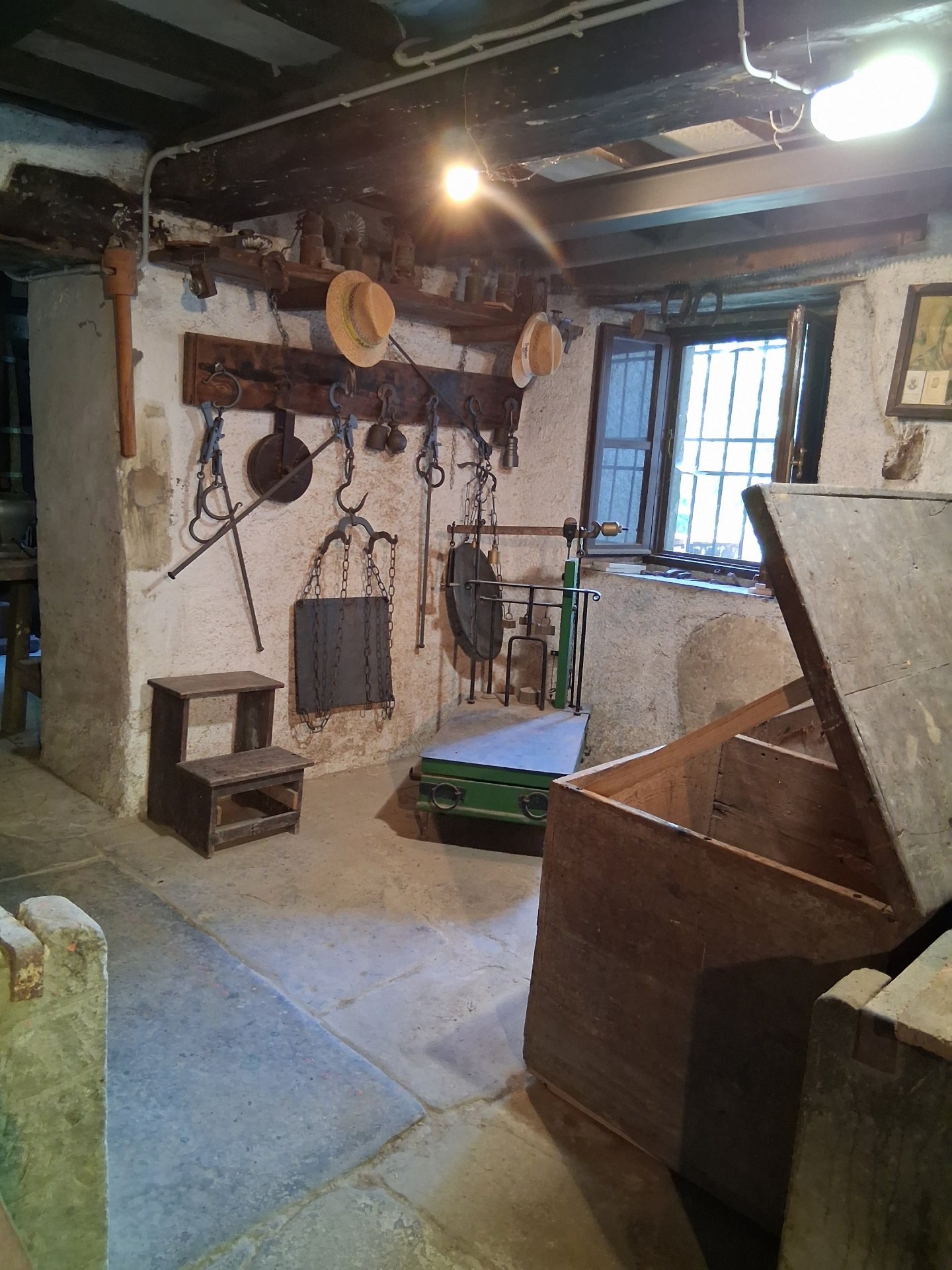
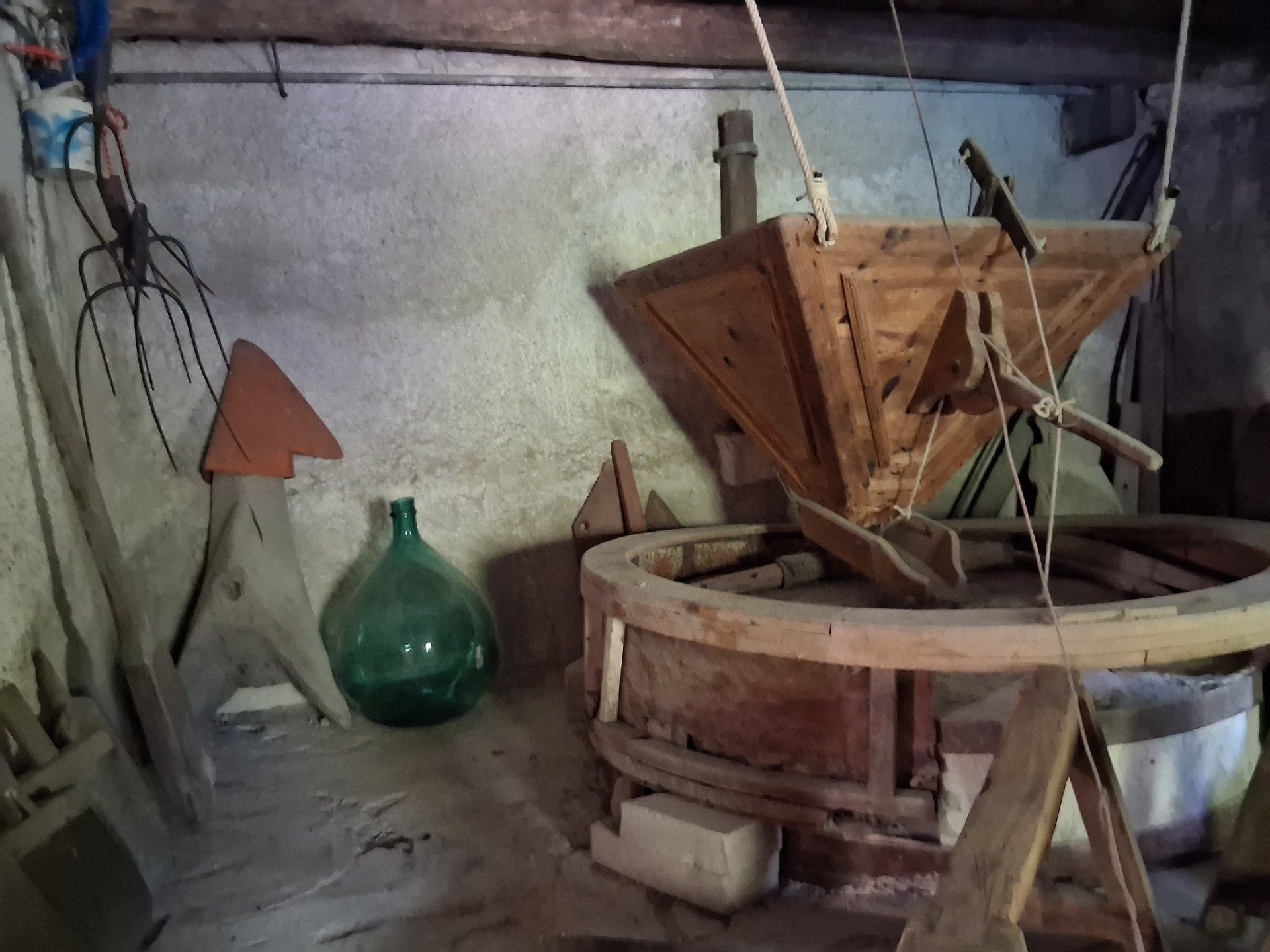
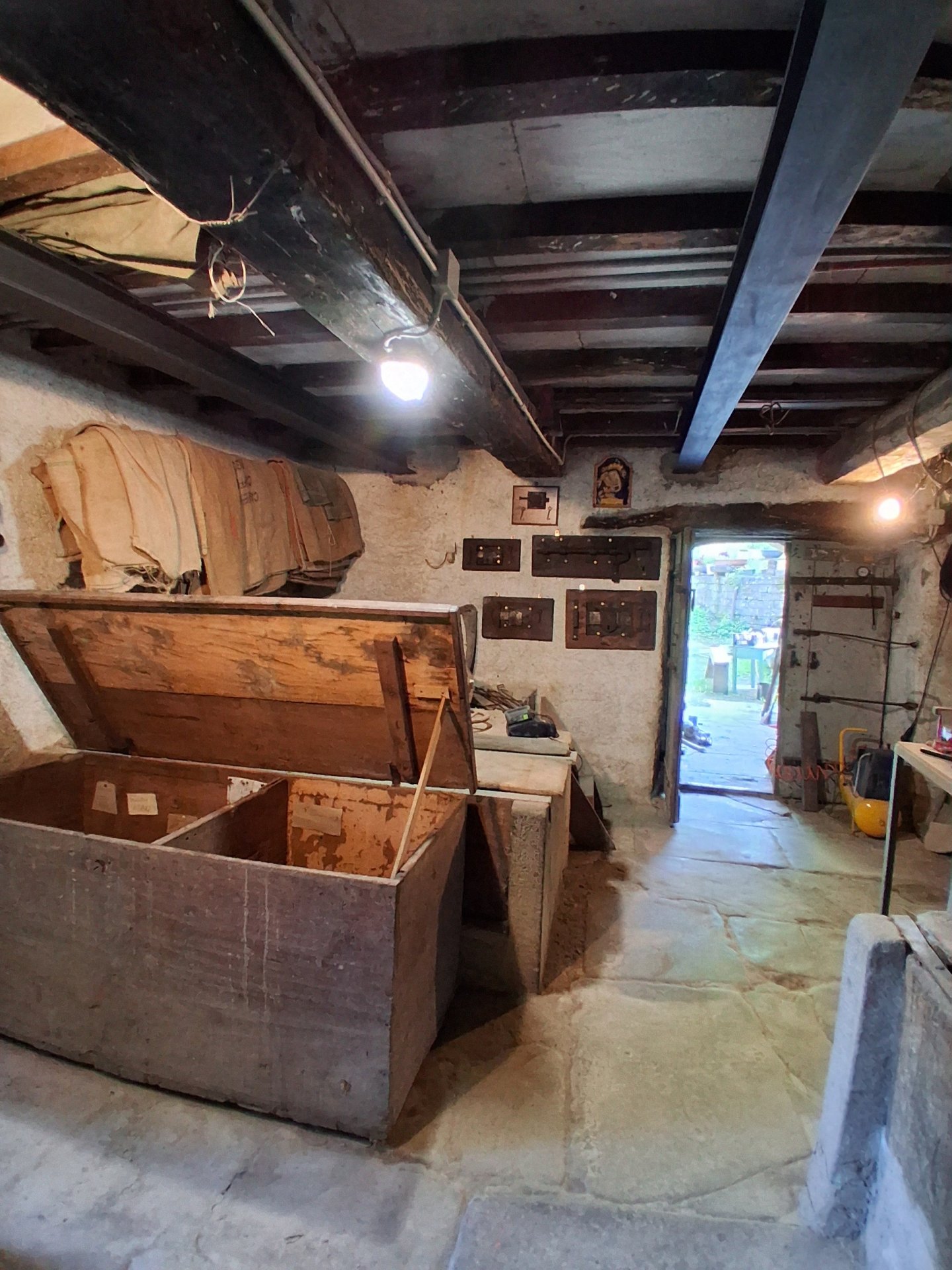
Entering the Mulino dei Lotti today is like taking a true journey back in time. Inside, original machinery and tools have been preserved, making it possible to reconstruct the various stages of the milling process: a motor-driven millstone, sieves, scales, a steelyard and a hopper. Together, these elements offer an immediate insight into the hard work, ingenuity and knowledge required to transform grain into flour.
The mill had two millstones: one used for cereals intended as animal feed and the other reserved for wheat. A short distance away stands the Guadagnina, a small structure where the water, already used during the initial milling operations, was harnessed once again before being returned to the watercourse below. This was where the millstone used for chestnuts was located.
The use of materials is particularly interesting. The wooden parts of the mill were made from chestnut wood, chosen because it did not alter the aromas or flavours of the products, while oak was used for the waterwheel and for components in direct contact with water, thanks to its greater strength and ability to withstand prolonged exposure to water.
In recent years, the owners have devoted particular attention to restoring and preserving the structure and its equipment, helping to safeguard a heritage of history and material culture that might otherwise have disappeared.
A visit to the Mulino dei Lotti is not simply an opportunity to see an ancient building: it is a chance to discover how people worked until just a few decades ago, which tools they used, and how important water was to the life and economy of communities throughout the Apennines.
It is a place where history is not merely told, but can be seen and experienced first-hand, through the original millstones, tools and rooms that still bear witness to the life of an ancient craft.
Info: +39 327 4548052


